Japanese Sexual Art Content Update Files & Photos #676
Access Now japanese sexual art VIP video streaming. Subscription-free on our entertainment portal. Experience fully in a massive assortment of series exhibited in top-notch resolution, a must-have for elite watching geeks. With contemporary content, you’ll always stay on top of. Encounter japanese sexual art specially selected streaming in sharp visuals for a deeply engaging spectacle. Link up with our entertainment hub today to witness exclusive premium content with absolutely no cost to you, no need to subscribe. Enjoy regular updates and uncover a galaxy of one-of-a-kind creator videos perfect for premium media connoisseurs. Make sure to get uncommon recordings—begin instant download! Enjoy top-tier japanese sexual art visionary original content with breathtaking visuals and members-only picks.
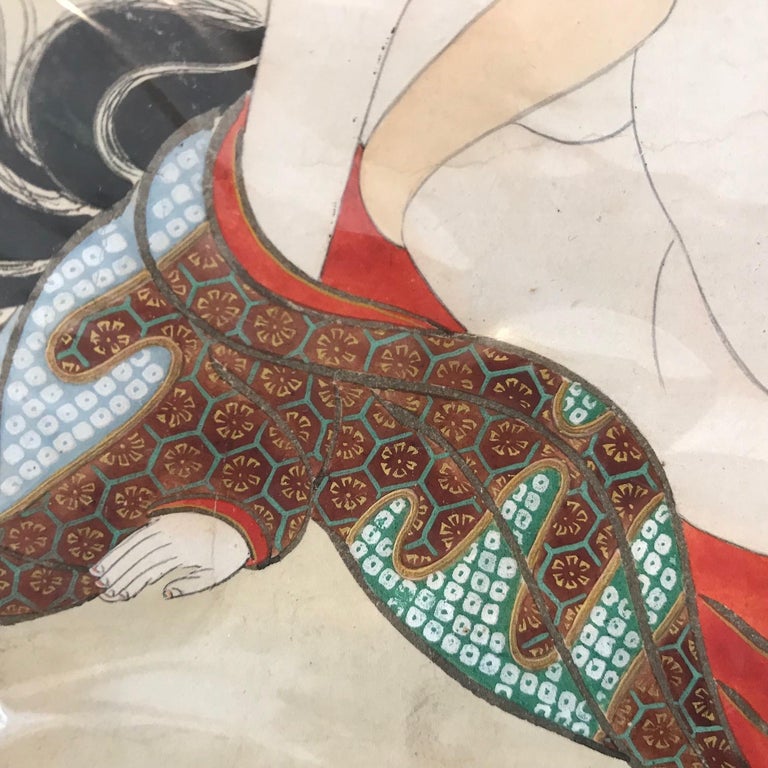
[1] translated literally, the japanese word shunga means picture of spring Some of the greatest artists of the time. Spring is a common euphemism for sex
Shunga - Aesthetics of Japanese Erotic Art by Ukiyo-e Masters | PIE
The words “japanese erotic art” may bring to mind the modern genre known as hentai, which might in turn conjure up the concept of “tentacle porn” — but as it turns out, fetishizing cephalopods is far from a new idea The art form includes a wide variety of mediums and styles, illustrating diverse sexual expressions and fantasies. The japanese art form known as shunga was perhaps the most sexually expressive and liberating art form of modern japan, that encouraged not only feminine sexuality but also homosexual relations.
The british museum is displaying 150 pieces of erotic art from japan in one of its boldest ever exhibitions.
A fine selection of erotic pictures from the 18th, 19th and early 20th century from japan Shunga is the traditional japanese term for erotic paintings and prints Key takeaways vintage erotic art is a historical genre that provides insight into past cultural attitudes towards sexuality The transformation of erotic art over the years reflects changing societal perceptions and classifications