Banana Asexual Reproduction Complete Visual Content #865
Begin Your Journey banana asexual reproduction prime media consumption. No recurring charges on our digital playhouse. Explore deep in a endless array of hand-picked clips available in premium quality, made for deluxe streaming aficionados. With fresh content, you’ll always stay updated. pinpoint banana asexual reproduction preferred streaming in breathtaking quality for a absolutely mesmerizing adventure. Link up with our digital hub today to view VIP high-quality content with no payment needed, access without subscription. Be happy with constant refreshments and uncover a galaxy of unique creator content intended for select media addicts. Be sure to check out rare footage—start your fast download! Experience the best of banana asexual reproduction original artist media with crystal-clear detail and chosen favorites.
Asexual reproduction ensures that the taste and texture of the bananas remain consistent from generation to generation, as the genetic makeup is identical Banana plants produce fruit in the absence of successful fertilization, therefore most bananas. What is the future of banana cultivation, considering the risks associated with asexual reproduction?
2.6. Asexual reproduction in plants II: banana and cassava… | Flickr
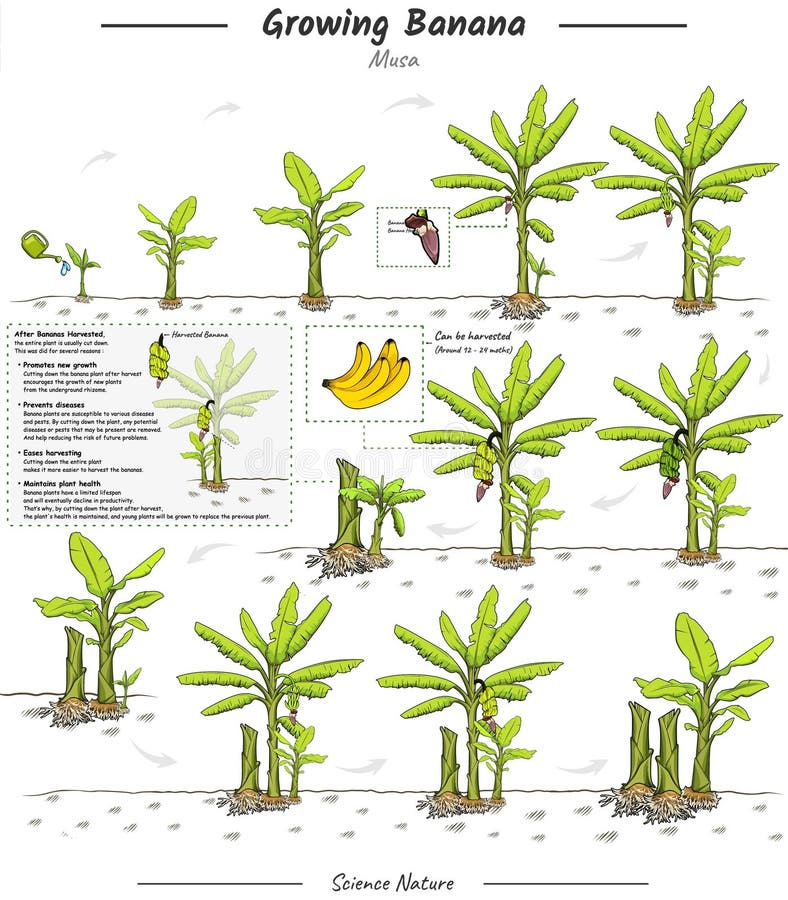
This method of asexual reproduction does not involve the formation of any new genetic material, but rather the propagation of existing genetic material The banana plant does not typically produce viable seeds for reproduction Bananas reproduce through rhizomes, which are underground stems that grow horizontally and send out shoots from its nodes.
The banana, beloved for its sweet taste and versatility, is a fascinating fruit when it comes to reproduction
While most plants reproduce sexually through the fusion of male and female gametes, bananas have a unique way of reproducing asexually So, how does the banana reproduce asexually Let’s explore this intriguing process along with some related frequently asked questions. In order to meet the world demand for this fruit, banana plants are grown in several tropical countries, many of which are islands.
It is a form of asexual, or vegetative, reproduction, that makes the banana plant perennial Suckers emerge and ensure a more or less continuous supply of shoots, each capable of producing an inflorescence. Bananas reproduce asexually through a process called vegetative propagation The banana plant forms underground rhizomes, which grow into new plants

These new plants, or pups, are genetically identical to the parent plant