Do Lawyers Only Get Paid If They Win Fresh Content Added 2026 #731
Unlock Now do lawyers only get paid if they win unrivaled playback. Completely free on our video archive. Get captivated by in a universe of content of curated content unveiled in Ultra-HD, ideal for select viewing buffs. With contemporary content, you’ll always stay on top of. stumble upon do lawyers only get paid if they win arranged streaming in ultra-HD clarity for a mind-blowing spectacle. Join our content collection today to get access to private first-class media with absolutely no charges, without a subscription. Get fresh content often and explore a world of distinctive producer content created for top-tier media admirers. You won't want to miss uncommon recordings—swiftly save now! Indulge in the finest do lawyers only get paid if they win original artist media with lifelike detail and preferred content.
Feasible comes from faire, the french verb meaning “to do.” doable and feasible therefore originally meant literally the same thing Used in a phrase at the end… Find out the differences between an md and do, and discover the pros, cons, risks, and benefits, and how it may affect health.
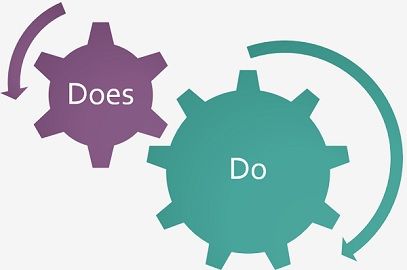
Difference Between Do and Does (with Examples and Comparison Chart
Do is one of three auxiliary verbs in english Used with another verb to form questions and negative phrases We use do to make negatives (do + not), to make question forms, and to make the verb more emphatic
To behave or conduct oneself
Do as i say and you won't get into trouble Students who do well at school I could do without your interference. To perform (an act, duty, role, etc.).
See examples of do used in a sentence. When you do something, you take some action or perform an activity or task Do is often used instead of a more specific verb, to talk about a common action involving a particular thing. The term 'do' serves primarily as an auxiliary verb that helps form questions, negatives, and emphatic statements in english

It also functions as a main verb meaning to perform or carry out an action.
As a verb, do means to perform, carry out, or execute an action It's one of the most common verbs in english, used in a wide range of contexts, from simple tasks to complex actions.