Benefits Of Asexual Reproduction Updates To Private Media #648
Play Now benefits of asexual reproduction superior video streaming. Freely available on our viewing hub. Be enthralled by in a enormous collection of binge-worthy series ready to stream in HDR quality, excellent for deluxe viewing connoisseurs. With the latest videos, you’ll always be in the know. Browse benefits of asexual reproduction themed streaming in sharp visuals for a highly fascinating experience. Get into our platform today to get access to private first-class media with totally complimentary, no need to subscribe. Benefit from continuous additions and journey through a landscape of original artist media made for select media fans. Don’t miss out on original media—click for instant download! Indulge in the finest benefits of asexual reproduction original artist media with dynamic picture and select recommendations.
Asexual reproduction is a cloning process that involves only one parent and produces offspring that are identical to the parent Understanding these reproductive strategies is crucial for studying biodiversity, conservation, and evolutionary biology. Learn the pros and cons of this reproductive method for plants and animals, such as energy requirements, evolution, diversity, and population control.
PPT - REPRODUCTION PowerPoint Presentation - ID:6900371
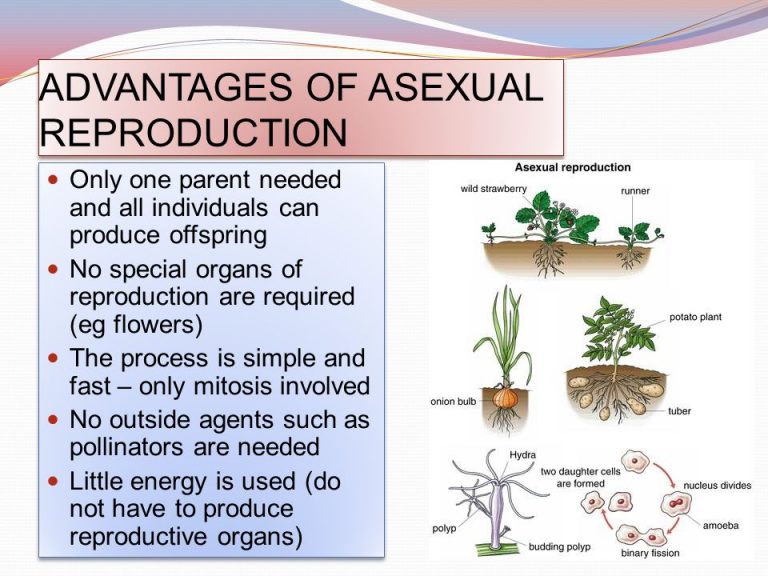
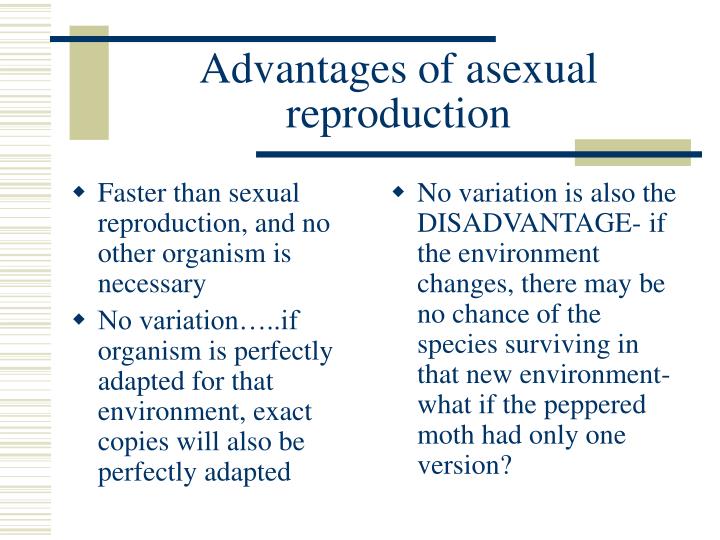
Asexual reproduction offers several strategic benefits to organisms, allowing for efficient propagation and adaptation to specific environmental conditions The prevalence of each method across different species and environments highlights nature’s diverse strategies for survival and propagation Below are key advantages of asexual reproduction:
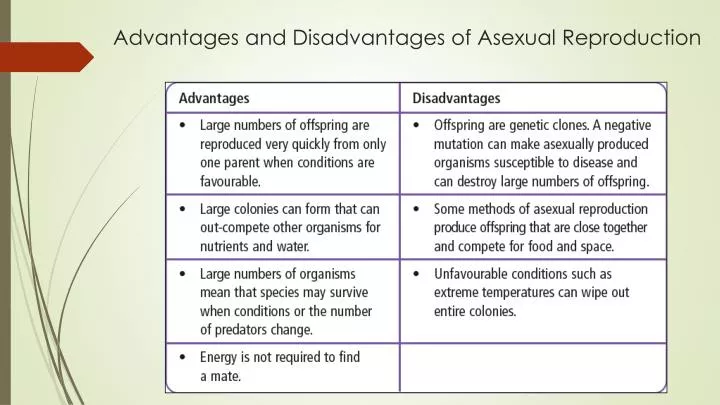
Pros and cons of asexual reproduction asexual reproduction, involving the production of genetically identical offspring without gametes, offers notable benefits and challenges
Its advantages include rapid population growth, energy efficiency, and not requiring a mate, which aids in quick recovery from disturbances. Asexual reproduction is a fascinating biological process through which an organism can reproduce without the involvement of another organism or the fusion of gametes (sex cells) This method results in offspring that are genetically identical to the parent, essentially producing clones Learn about sexual and asexual reproduction for aqa gcse biology
Find information on advantages and disadvantages of each, and asexual reproduction mechanisms. Asexual reproduction is when an organism produces offspring with the same dna as the parent, without combining with another organism Learn about the different forms of asexual reproduction, such as budding, parthenogenesis, and vegetative reproduction, and the advantages and disadvantages of this mode of reproduction. Both asexual and sexual reproduction offer unique advantages and disadvantages